
Author: J.K. Ullrich
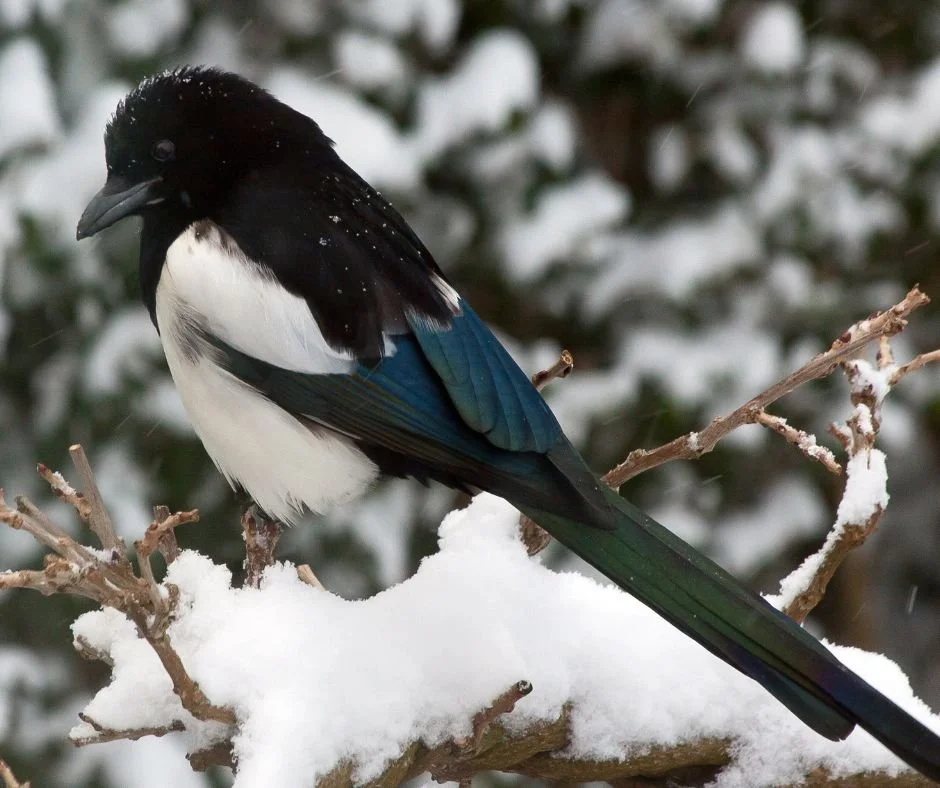
‘Tis the season for bird surveys! Wintertime in North America brings three annual citizen science events that invite communities to help study their avian neighbors. Taking a moment during the holidays to count the wild Alaskan birds in your yard could give some species the gift of survival.
What is citizen science?
Citizen science–also called participatory science and community monitoring–involves research contributions from the general public. Anyone can participate, providing they use a standard protocol for data consistency and quality. Now that technological developments have made information-sharing accessible beyond formal research labs, any citizen with a smartphone can advance scientific inquiry.
Crowdsourced data generated by a vast network of observers gives professional scientists a richer pool of information to study. Many disciplines have embraced this collaborative approach. SciStarter.org maintains a database of projects in different fields, ranging from environmental monitoring to astronomy to ecology. Volunteers might record information about local weather events, mark features in deep-space telescope photos, or track the abundance of regional wildlife.
Citizen science for birds
Birdwatching is well-suited to citizen science. Novices and experts alike can record the species they encounter, capturing valuable data about spatial and seasonal distributions. Observations from amateurs might seem unreliable, but researchers demonstrated in early 2025 that data from iNaturalist and eBird accurately reflected bird migration patterns in Northern California and Nevada.
Collective birdwatching can yield powerful insights. A highly publicized study published in May 2025 used eBird data to track 14 years of population changes among 495 bird species and found 83% of them in decline. The data also conveyed a spark of hope: the authors identified areas with population increases as possible refuges where conservation action could facilitate recovery.
In 2019, information from eBird helped an international team of scientists develop a plan for protecting the habitats of neotropical birds—like warblers, orioles, and tanagers—that migrate across the Northern Hemisphere. The more people contribute, the better our knowledge to protect wildlife.
If you’re ready to research Alaska’s birds this winter, here are three flagship citizen-science projects surveying bird populations.
Audubon’s Christmas Bird Count (CBC)
Audubon’s CBC began in 1900 when a small group of conservationists decided to replace the traditional Christmas Day bird hunt with a bird census. Their local act of advocacy grew into the nation's longest-running citizen science bird project, which occurs every year from 14 December through 5 January. Alaskans have participated since before statehood, conducting the Last Frontier’s first Christmas Bird Counts in 1941. CBC is a highly organized census, with local coordinators arranging survey dates and sites for volunteers. Visit Audubon’s website to find a group near you.
The Great Backyard Bird Count (GBBC)
The Cornell Lab of Ornithology orchestrates the GBBC every February. Launched in 1998, the GBBC was the first online citizen science project. It went global in 2013 when participants began entering data into eBird, one of the world’s largest biodiversity-related community science platforms. Bird lovers across the planet now tally birds in their favorite local hotspots during the four-day GBBC event. Many continue recording data in eBird throughout the year: users contribute an estimated 100 million bird sightings annually.
Project FeederWatch
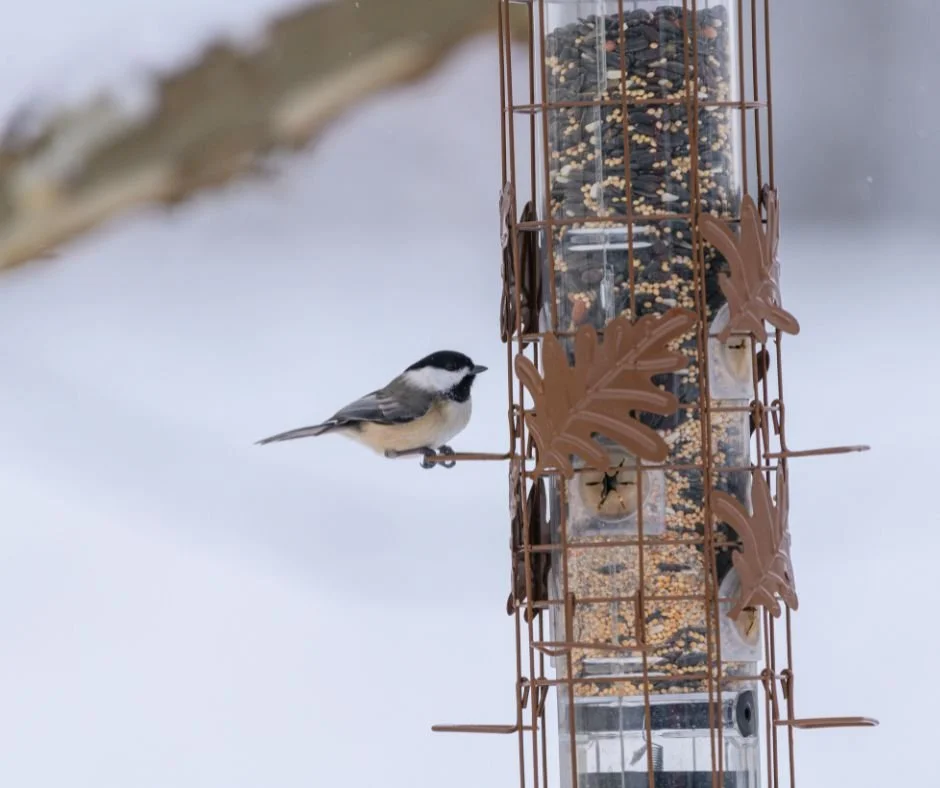
If stalking birds in the snow isn’t for you, conduct research from a cozier perch with Project FeederWatch. This winter-long project counts birds that visit backyards, nature centers, and other community areas across North America. While the CBC and GBBC focus on a limited time frame, Project FeederWatch volunteers can count as often or as infrequently as they like between November and April. The flexible model enables citizen scientists of any age, expertise, or mobility level to participate.
Fledgling scientists
The three community monitoring events highlighted above are a great introduction to citizen science. You don’t have to be a trained ornithologist to make real research contributions. Chances are, you already have the right equipment: curiosity, observation skills, and an internet connection. So grab a warm hat and a pair of binoculars! Whether you’re surveying Potter Marsh, Westchester Lagoon, or your own backyard, you’ll help represent the birds of Alaska in conservation studies. Together we can preserve our winter wildlife wonderland for many seasons to come.
Happy holidays from your (feathered and unfeathered) friends at BirdTLC!