Author: J.K. Ullrich
The Great Horned Owl stared up at me from the roadside, ringed with wildflowers and stray feathers. “It must’ve been hit by a car,” I told my partner, who’d spotted the bird on his morning run and summoned me to the scene. I’d become a keen birdwatcher during the pandemic, but having moved to Alaska just two weeks before, I knew little about its native species. A two-foot-tall bird with an intense golden stare and lichen-grey plumage seemed like a spirit from Alaskan folklore fallen to Earth. What could a mere human do to raise it skyward again?
Urgent smartphone queries for local wildlife rescuers connected me with Bird Treatment and Learning Center, which took in the owl. Sadly, despite attentive care, it did not survive. Tears welled when I imagined the light fading from those vivid eyes. Determined to keep others bright, I volunteered with BirdTLC. Since a full-time job and graduate studies didn’t allow me enough time to work in the clinic, I offered my writing skills to support media outreach. My first assignment was reporting the release of a Northern Hawk Owl injured by a car strike. Watching that plucky little bird stretch its repaired wing lifted my heart: this time human dedication had countered human damage.
Small but meaningful acts of stewardship characterized my next two years writing for BirdTLC. An article I authored for a local periodical described how loons and other predatory birds can die of lead poisoning after accidentally swallowing fishing sinkers. Anglers can save them with a simple swap to steel or tungsten tackle. Ingesting plastic can also harm birds–severely enough for researchers to designate a new disease called plasticosis in 2023–so I wrote about reducing waste to help keep them healthy. Other pieces highlighted everyday choices that can protect birds, like putting disruption patterns on windows, keeping pet cats indoors, and avoiding “kidnap” of chicks mistaken for orphans.
All these efforts recognize how human actions affect the broader ecological community. I saw this awareness fledge when I accompanied Bird TLC educators to an elementary school. Awed sounds flew around the classroom as Ambassador Breland–a peregrine falcon–flapped and posed. Most of the children had probably never seen a raptor up close. Perhaps that spark of wonder would kindle a lifelong affinity. One of those kids might grow up to be a wildlife rehabilitator, a zoologist, a citizen-scientist bird counter, or a moonlight science writer who tries to save the world with words. Everyone has a role in conservation.
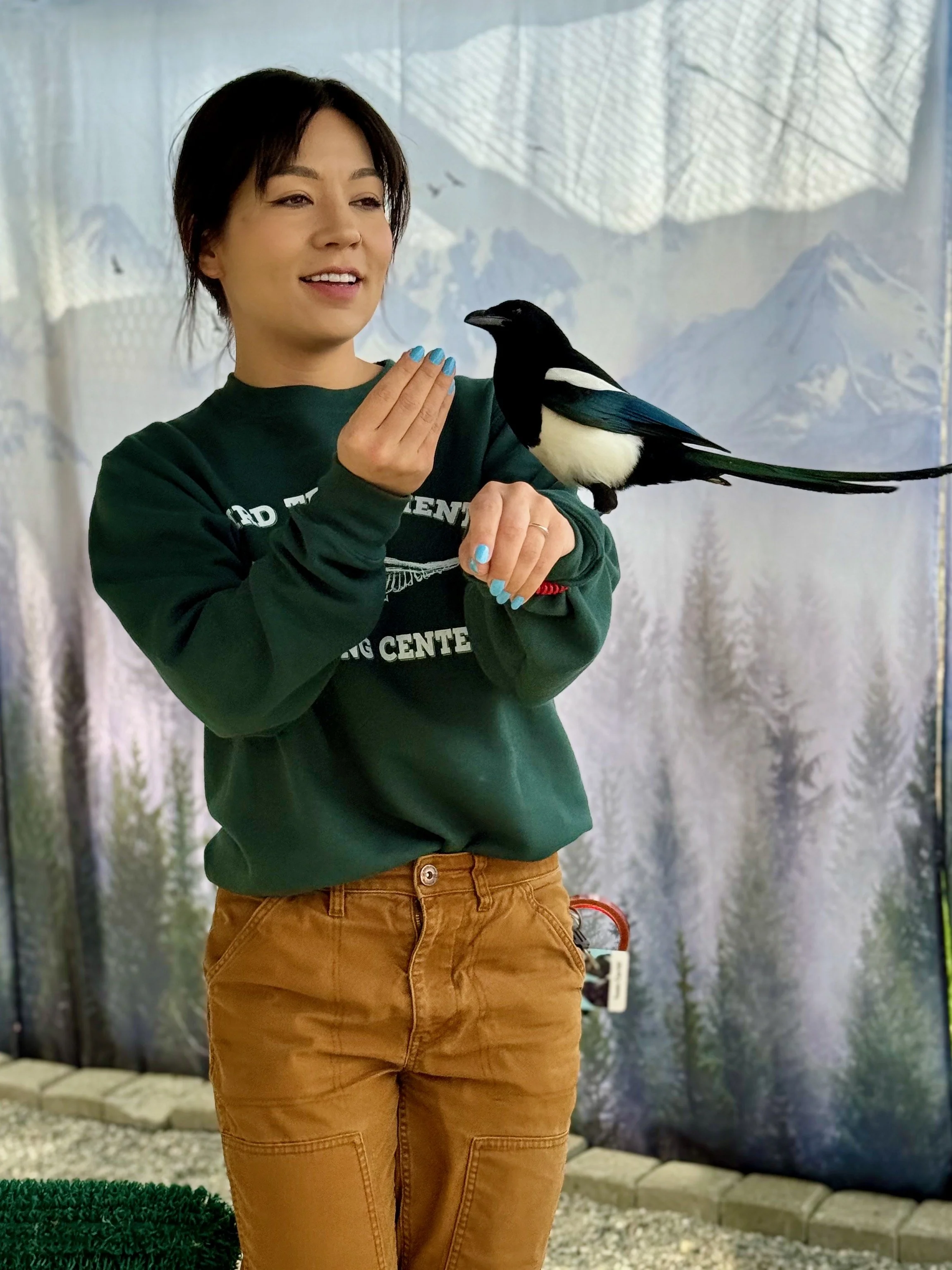
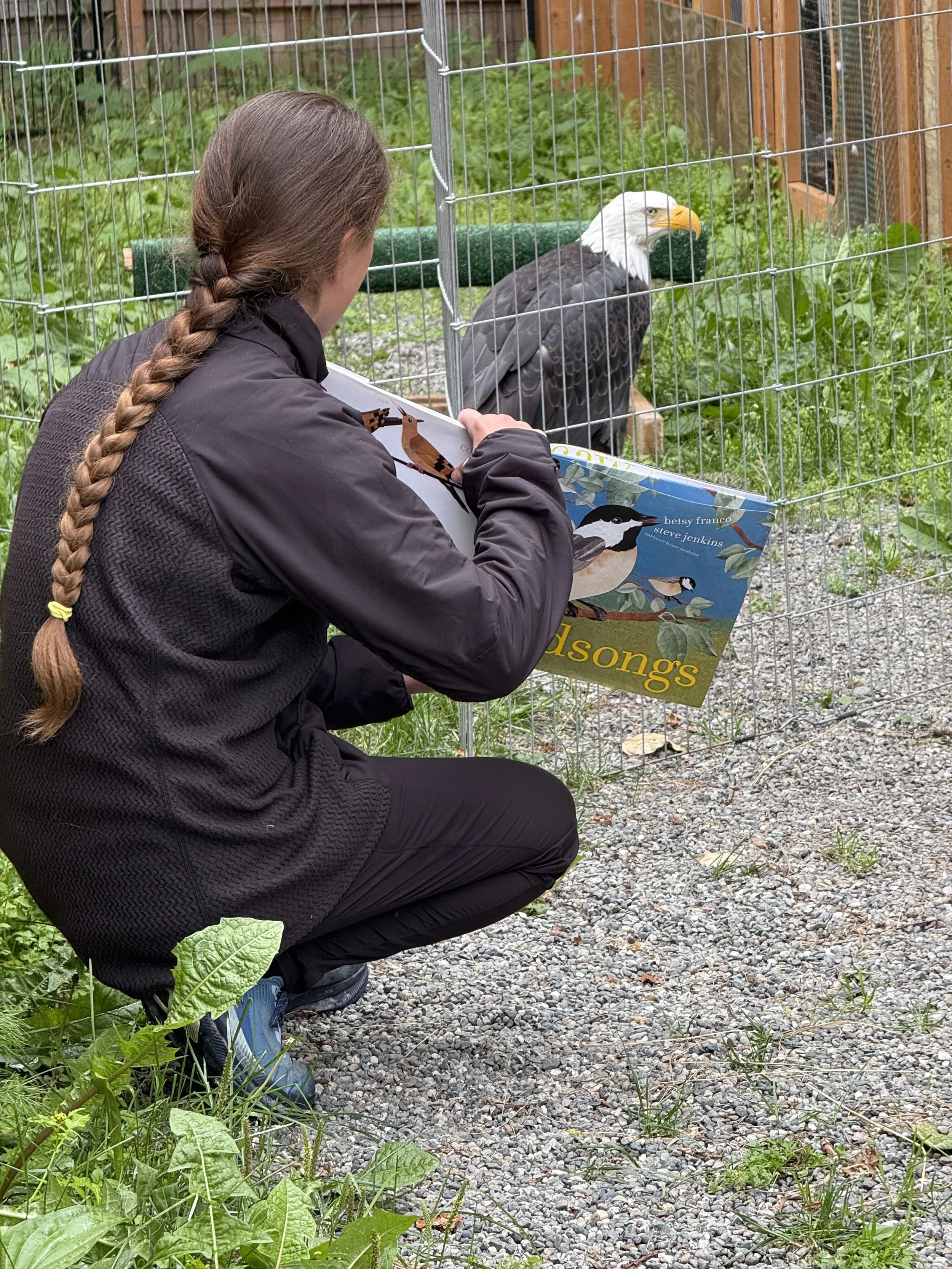
Education volunteer, Stefanie Miller, trains Ambassador Shavila, a Black-billed Magpie.
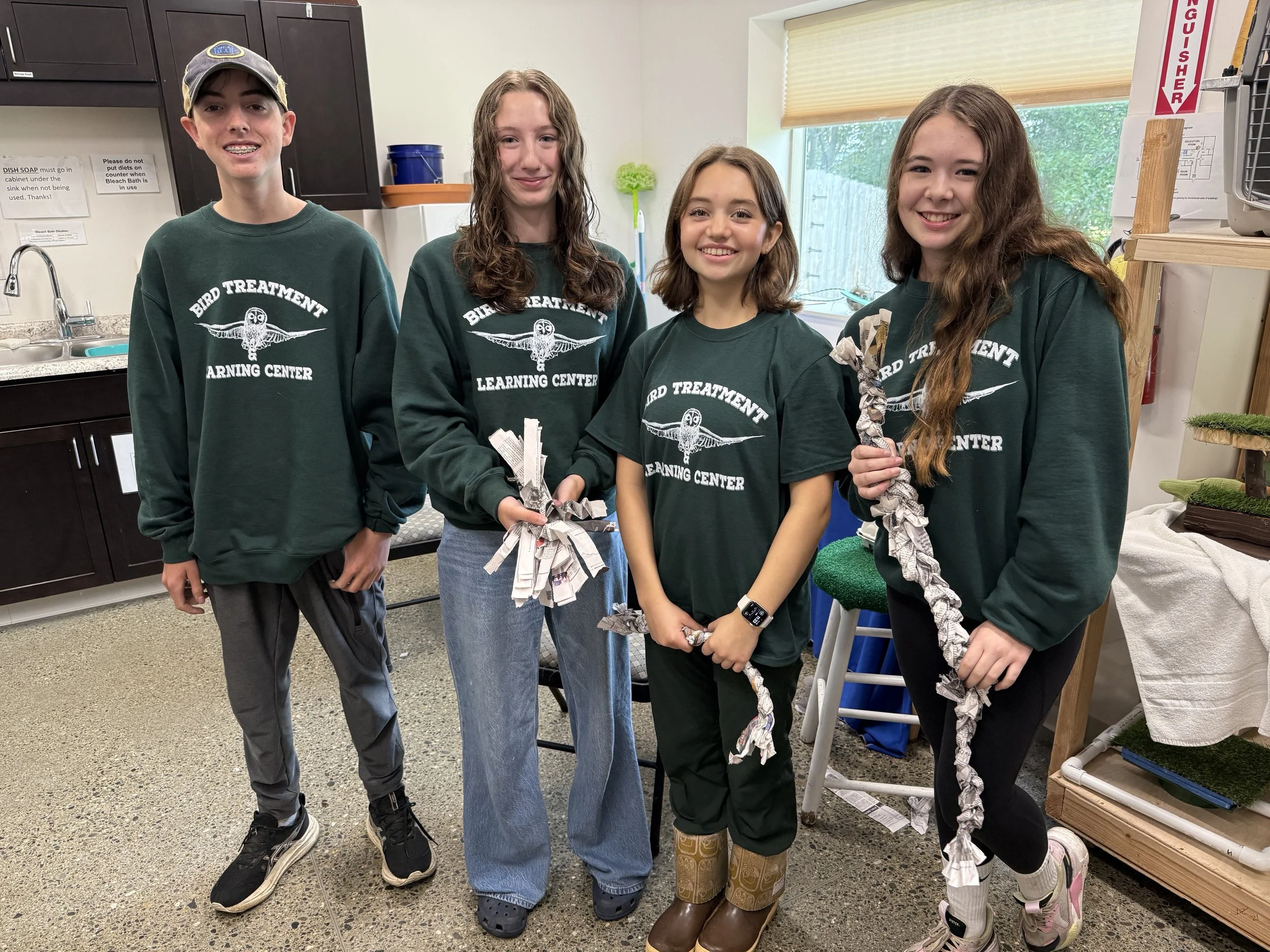
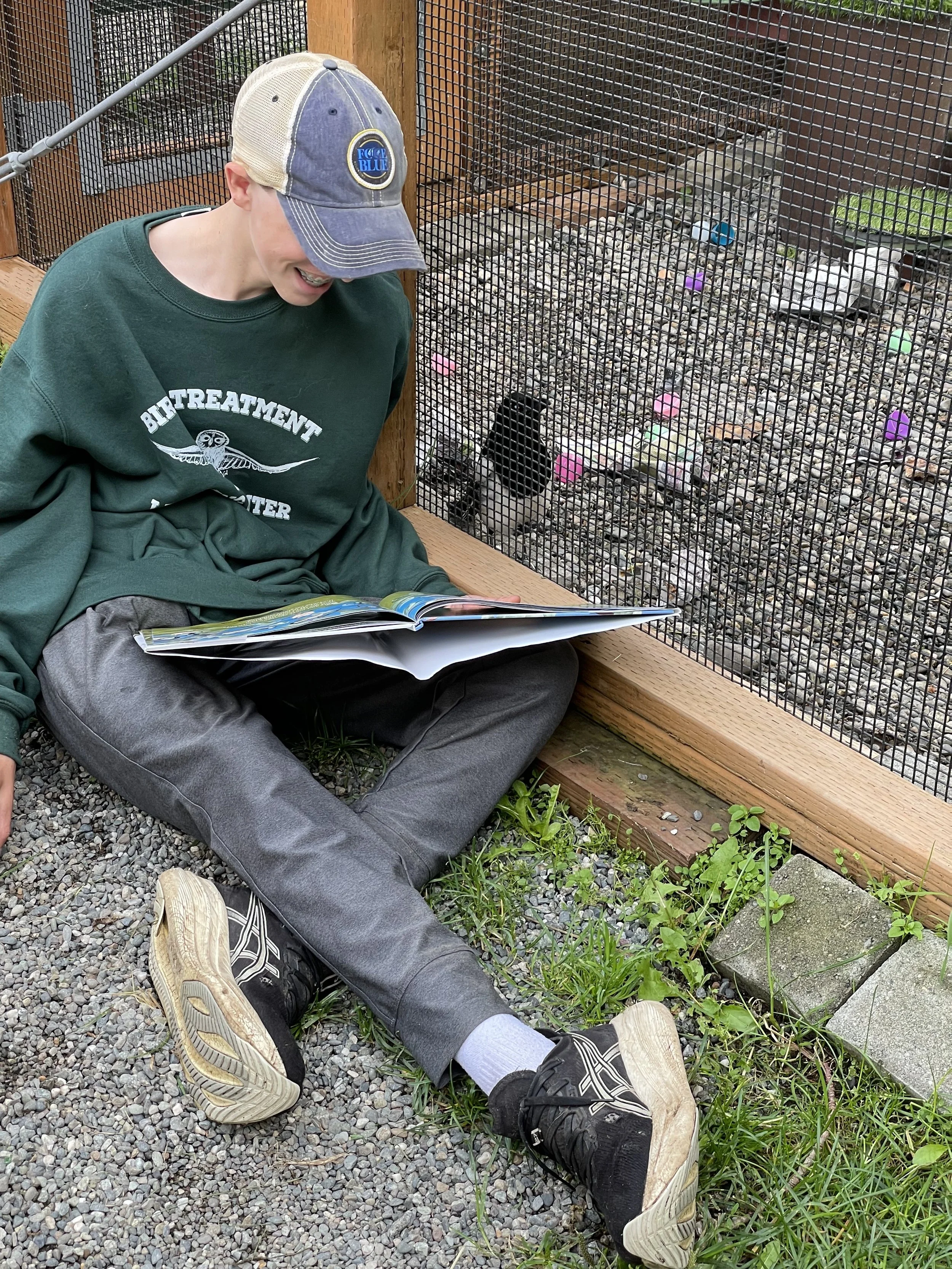
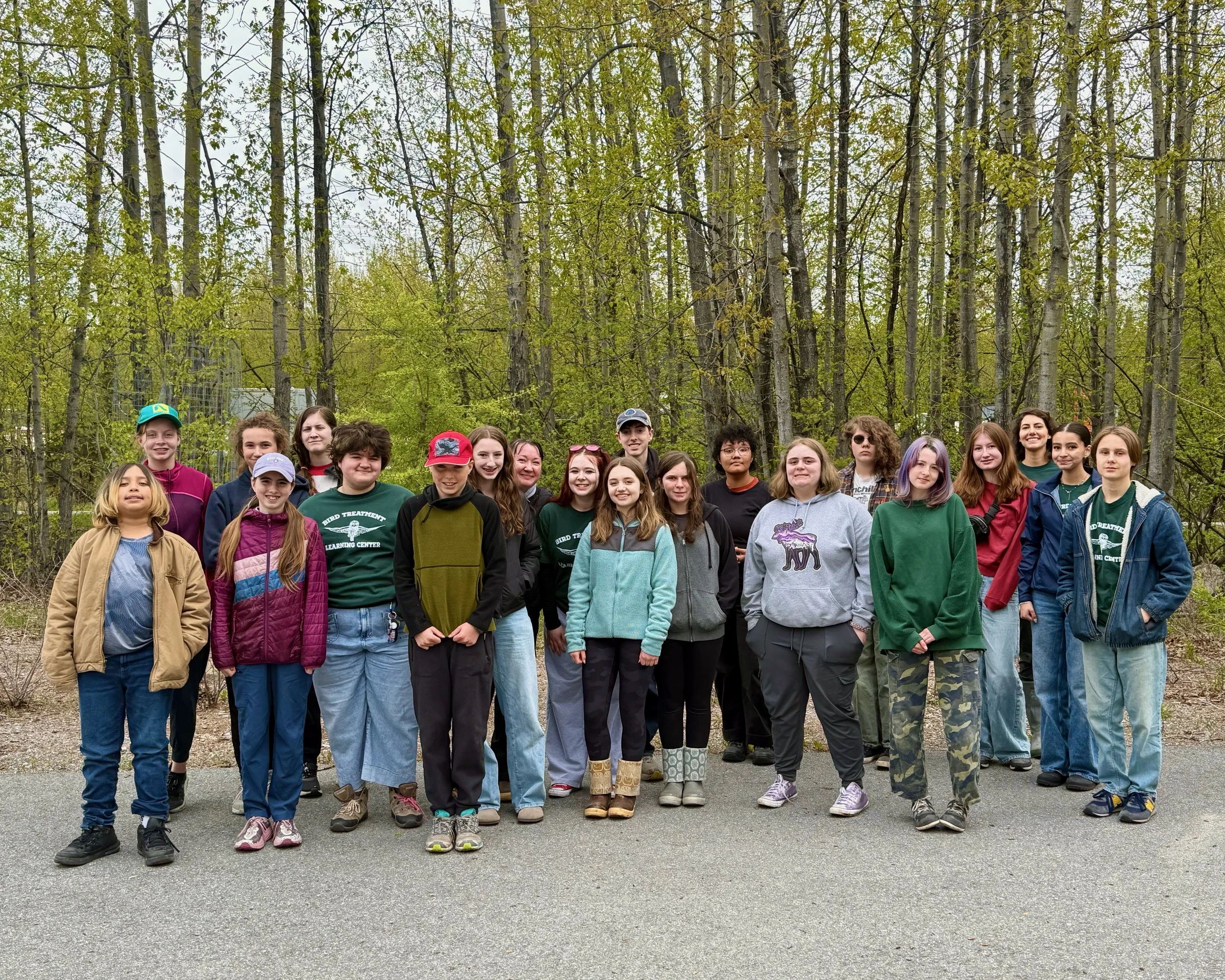
To accomplish all this work, Bird TLC relies on a whole flock of volunteers. While some work directly with birds, others contribute through event planning, facilities maintenance, content creation, and more. No time to volunteer? Engage with us on social media, attend our programs, or simply practice everyday stewardship for your avian neighbors. Join Bird TLC in giving birds a second chance at life in the wild and inspiring the next generation of conservationists.
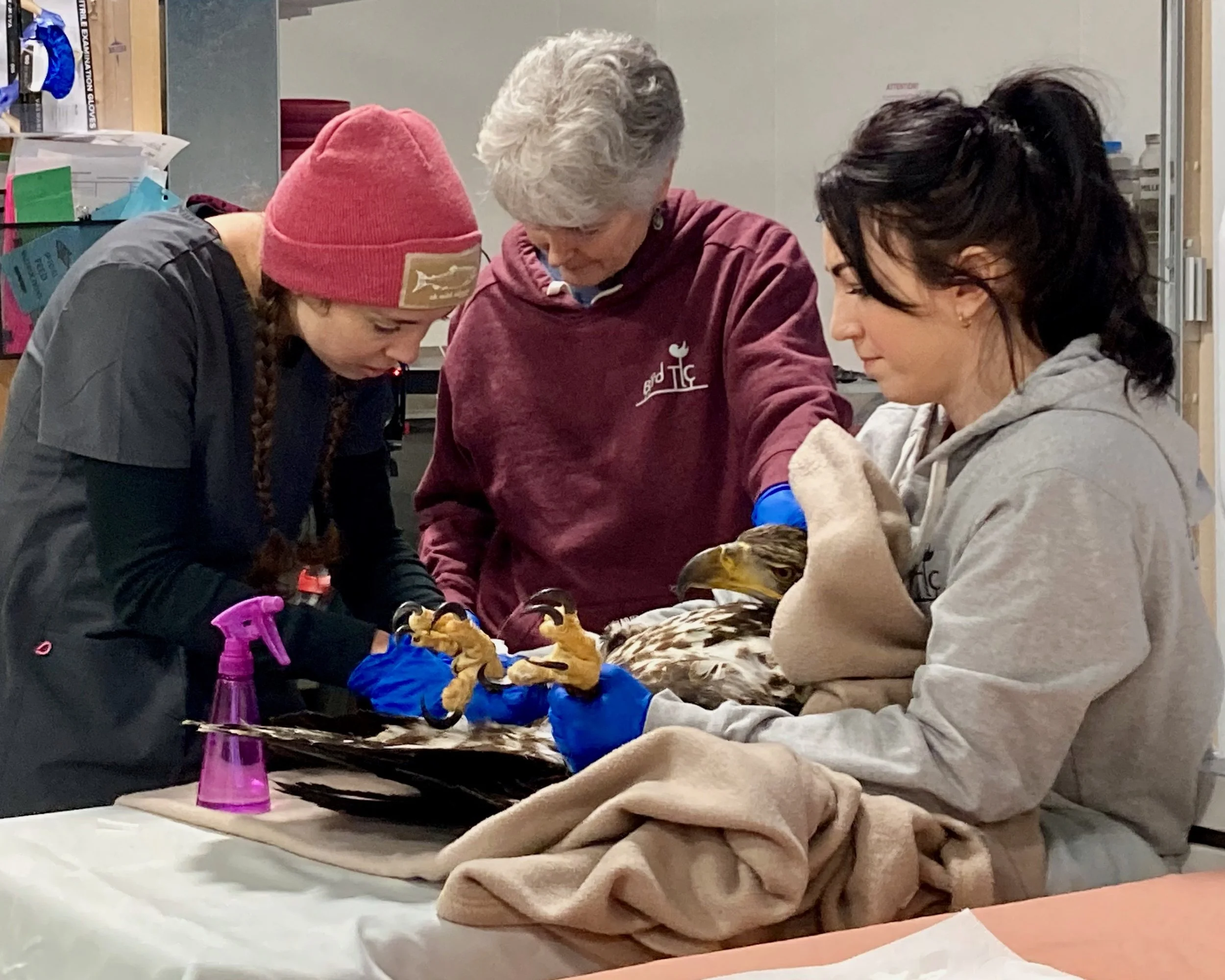
Rehabilitation Katie Verbarendse assists rehabilitation staff Dr. Karen Higgs and Katie Thorman.





.jpg)
.jpg)
.jpg)
_(19728015794).jpg)
_(cropped).jpg)
_calling_along_the_Firehole_River_(42290283854).jpg)